Digital Foundry's technical analysis has unveiled the finalized Nintendo Switch 2 specifications, noting that the GameChat feature reportedly consumes substantial system resources—enough to raise developer concerns.
During Nintendo's recent Direct presentation, the company showcased Switch 2's GameChat functionality, activated by pressing the new Joy-Con's C button.
This social feature allows players to spectate each other's gameplay across different titles while optionally enabling camera feeds. The integrated microphone demonstrates consistent performance across various gaming environments. Designed as a multifunctional multiplayer hub, this C-button interface could become Nintendo's most transformative online innovation in years.
According to Digital Foundry, Nintendo supplies developers with specialized GameChat simulation tools that replicate real-world system impacts like API latency and cache performance. This allows testing without live multiplayer sessions.
The technical team questions whether end users might experience performance variations with GameChat enabled. While system resource allocation should theoretically prevent this, Nintendo's emulation tools suggest developers need to account for measurable overhead.
As Digital Foundry observes: "The potential performance impact of GameChat warrants close examination, particularly given developer apprehension." Final verification must wait until the Switch 2's June 5 launch.
Their deep dive also confirmed the Switch 2 reserves 3GB of memory for system functions, leaving 9GB available for games—a significant upgrade from the original Switch's 0.8GB/3.2GB allocation. Like all consoles, the Switch 2 withholds partial GPU resources for system operations.
Nintendo Switch 2 Hardware Gallery
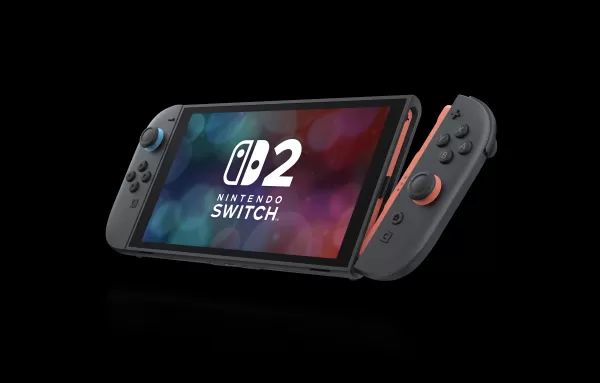
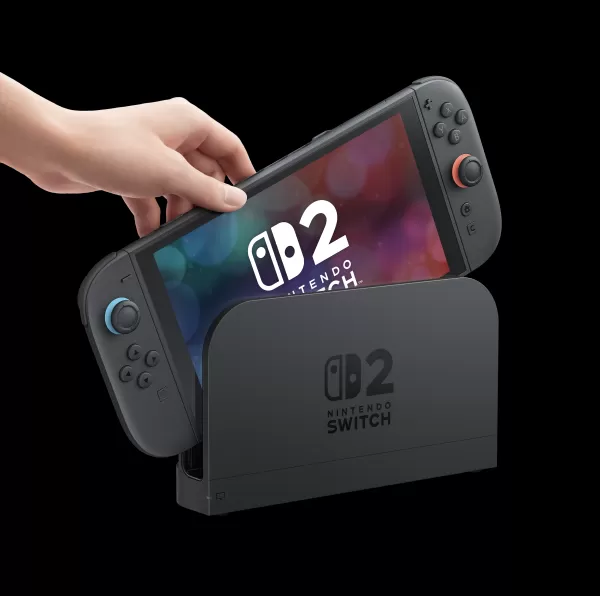
View 91 Images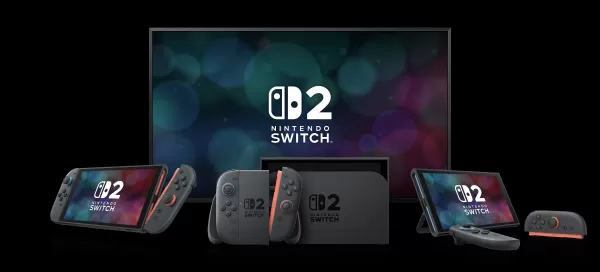
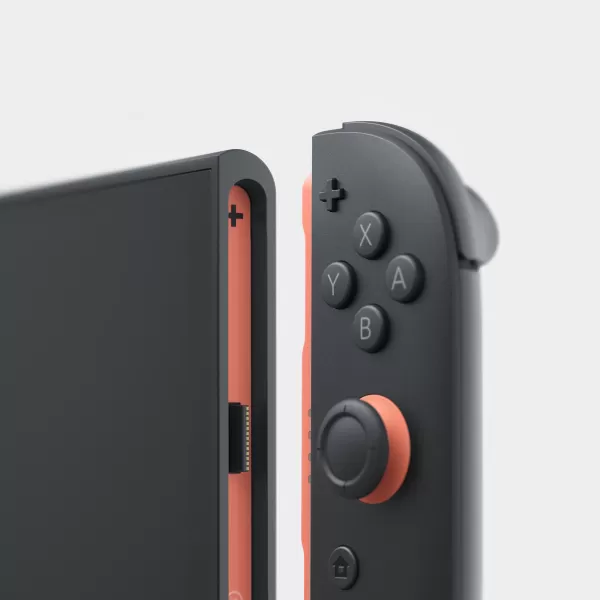
The new 7.9-inch LCD display covers wide color gamut at 1080p resolution, surpassing its predecessors: the original Switch (6.2-inch), OLED model (7-inch), and Lite version (5.5-inch).
With HDR10 support and 120Hz VRR capability, compatible games can achieve 120fps playback. Docking enables 4K gaming at 60fps or 1080p/1440p at 120fps, powered by NVIDIA's custom processor.
Digital Foundry's comprehensive report contains additional technical insights worth exploring.





![Taffy Tales [v1.07.3a]](https://imgs.xfsxw.com/uploads/32/1719554710667e529623764.jpg)