In the world of Minecraft, terracotta stands out as a versatile and visually appealing building material, celebrated for its wide range of colors and durability. This article delves into the process of crafting terracotta, its unique properties, and its myriad applications in construction.
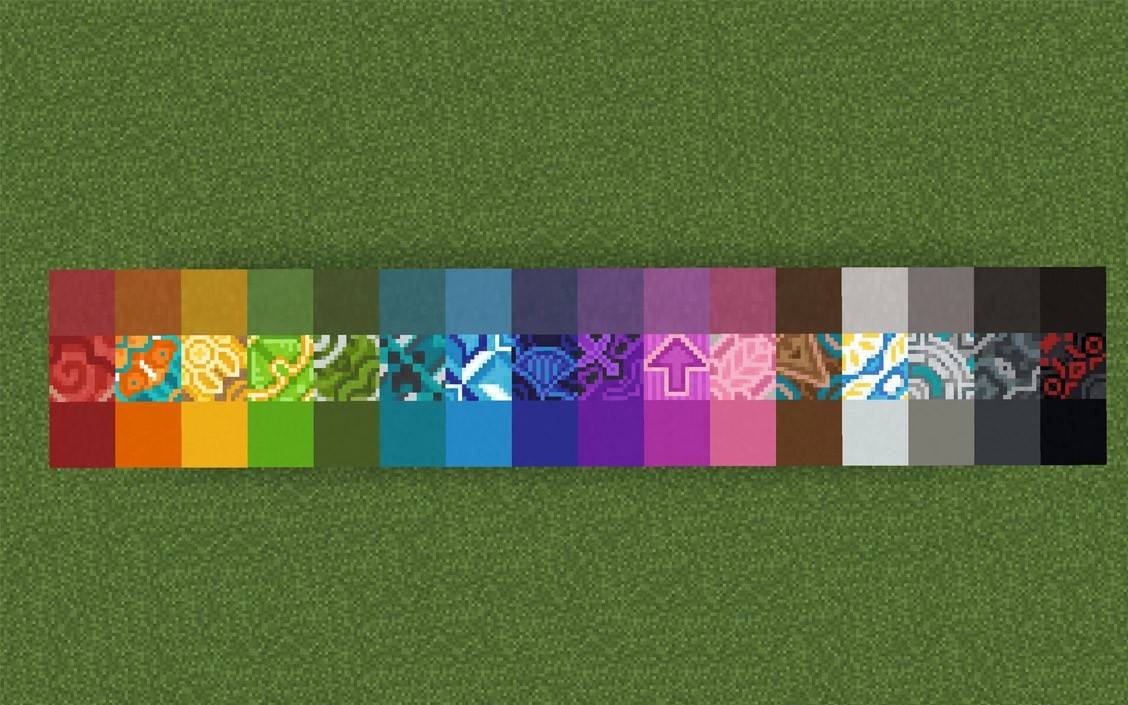 Image: planetminecraft.com
Table of Contents
- How to Get Terracotta in Minecraft
- The Ideal Place for Gathering Terracotta
- Types of Terracotta
- How to Use Terracotta in Crafting and Construction
- Availability of Terracotta in Different Versions of Minecraft
How to Get Terracotta in Minecraft
To begin your journey with terracotta, you'll first need to gather clay. This resource can be found in various water bodies such as rivers and swamps. Once you've located clay, break the blocks to collect clay balls. These balls can then be smelted in a furnace using fuel like coal or wood, transforming them into terracotta blocks.
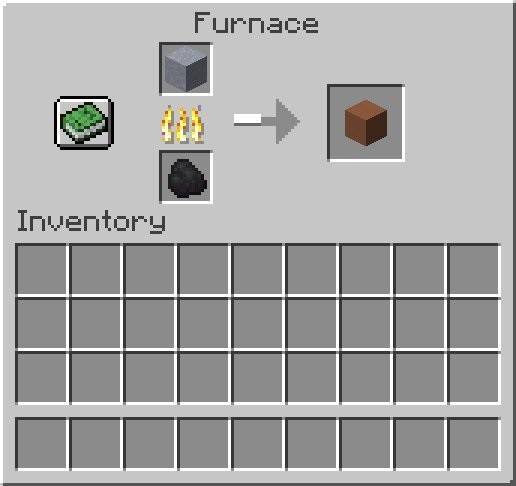 Image: ensigame.com
Terracotta can also be discovered in certain generated structures, particularly in the mesa biome, where naturally colored variants are abundant. In the Bedrock Edition, players have the additional option of acquiring terracotta through trading with villagers.
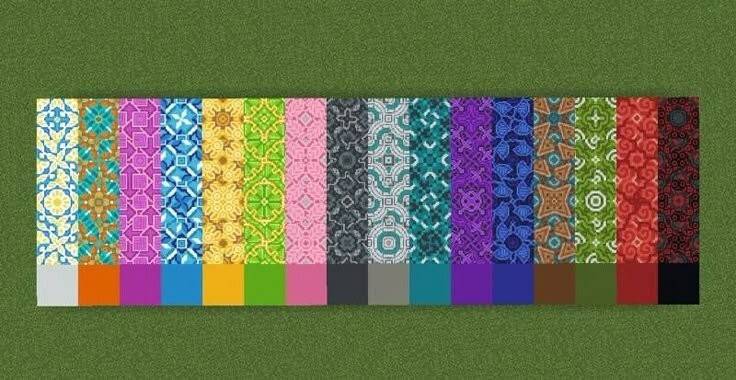 Image: pinterest.com
The Ideal Place for Gathering Terracotta
The Badlands biome is your go-to destination for terracotta. This rare and vibrant biome is a natural treasure trove of terracotta, featuring layers of orange, green, purple, white, and pink. Here, you can harvest terracotta in large quantities without the need for smelting, making it an efficient source.
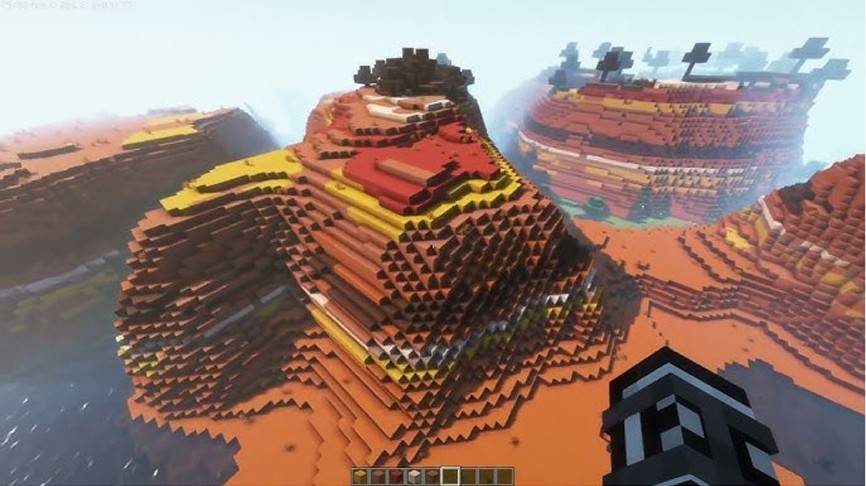 Image: youtube.com
In addition to terracotta, the Badlands biome offers:
- Sandstone and sand, commonly found on the surface
- Gold, which is more accessible here than in other biomes
- Dead bushes, which can be harvested for sticks
This unique landscape not only provides resources but also serves as an ideal setting for constructing colorful bases.
Types of Terracotta
Terracotta comes in a standard brownish-orange hue, but its versatility shines through its ability to be dyed in sixteen different colors. By combining dyes with terracotta on a crafting table, you can create colorful variants. For instance, using purple dye will yield purple terracotta.
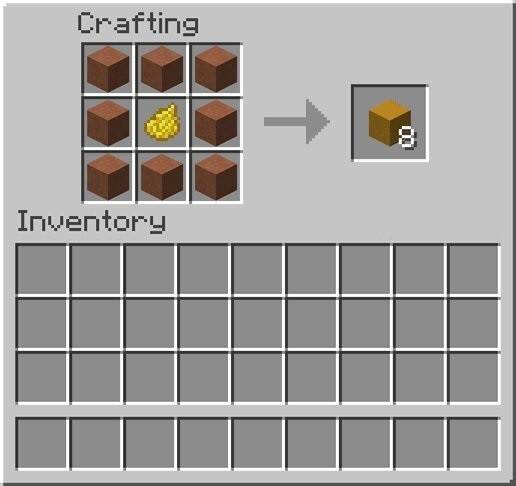 Image: ensigame.com
Glazed terracotta, crafted by smelting dyed terracotta, features unique patterns that can be arranged to form decorative designs. These blocks are perfect for both aesthetic and functional building, allowing you to highlight areas on floors or walls and mark specific locations.
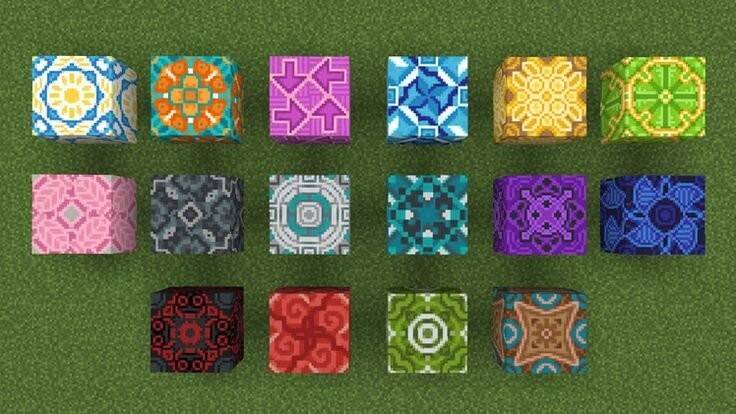 Image: pinterest.com
How to Use Terracotta in Crafting and Construction
Terracotta's strength and variety of colors make it an excellent choice for both interior and exterior decoration. It can be used for wall, floor, and roof cladding, and in the Bedrock Edition, it's ideal for creating intricate mosaic panels. By strategically placing different colors, you can achieve stunning designs.
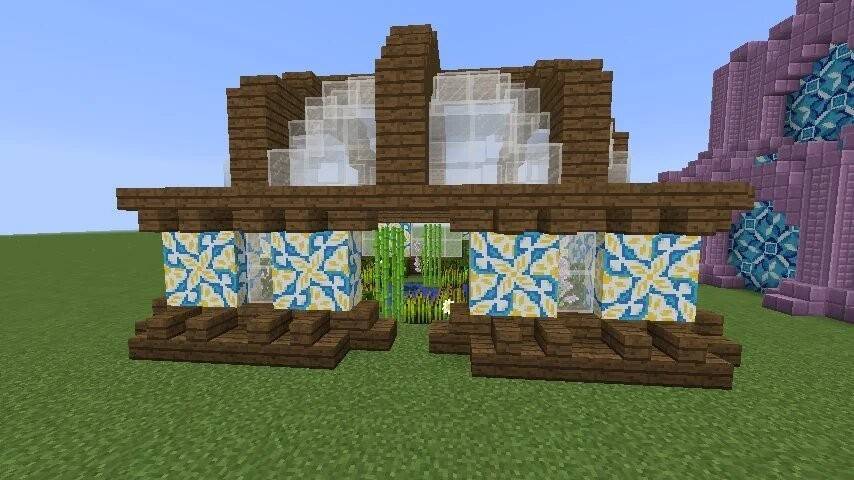 Image: reddit.com
In Minecraft 1.20, terracotta also serves as a material for crafting armor patterns using the Armor Trim Smithing Template, allowing for personalized armor aesthetics.
Availability of Terracotta in Different Versions of Minecraft
Terracotta is accessible in both Java and Bedrock Editions of Minecraft, with similar mechanics for obtaining it, though textures may vary slightly between versions. In some versions, master-level mason villagers offer terracotta in exchange for emeralds, providing a convenient alternative to mining or smelting, especially if a mesa biome is not nearby.
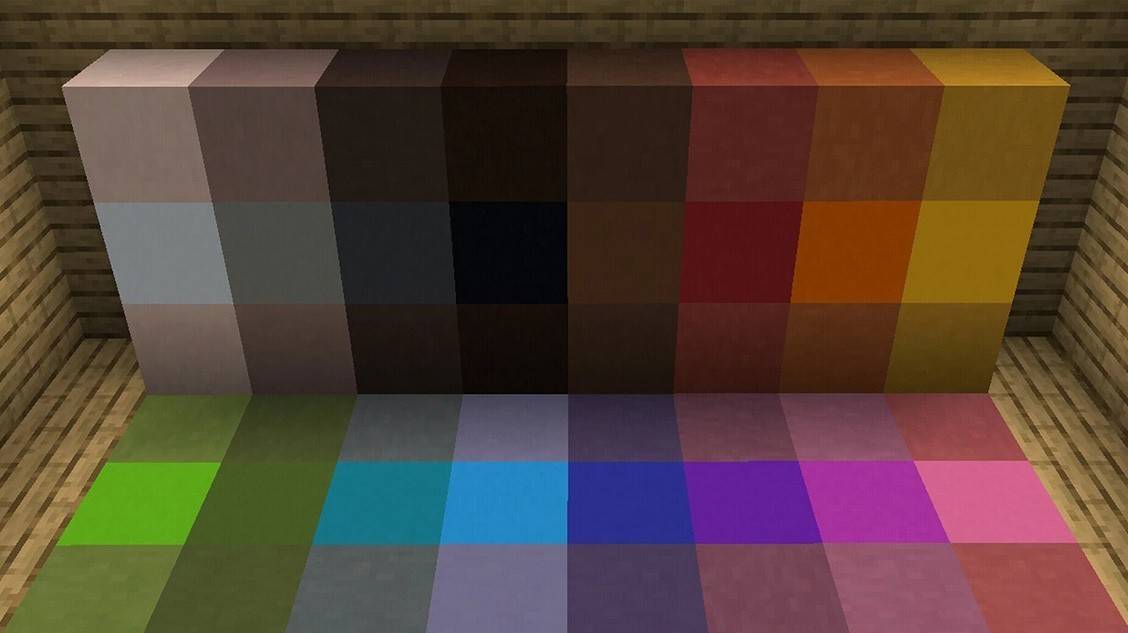 Image: planetminecraft.com
Terracotta is a durable and visually striking block that's easy to obtain and customize. Whether used in its solid form or as glazed terracotta with intricate patterns, it's an excellent choice for enhancing any Minecraft build. Experiment with its colors and applications to unleash your creativity!





![Taffy Tales [v1.07.3a]](https://imgs.xfsxw.com/uploads/32/1719554710667e529623764.jpg)