Explore the Diverse World of Minecraft Wood: A Comprehensive Guide
Minecraft boasts a rich variety of trees, each offering unique aesthetic qualities and practical applications. This guide delves into the twelve primary wood types, highlighting their characteristics and optimal uses within the game.
Table of Contents:
- Oak
- Birch
- Spruce
- Jungle
- Acacia
- Dark Oak
- Pale Oak
- Mangrove
- Warped
- Crimson
- Cherry
- Azalea
1. Oak:
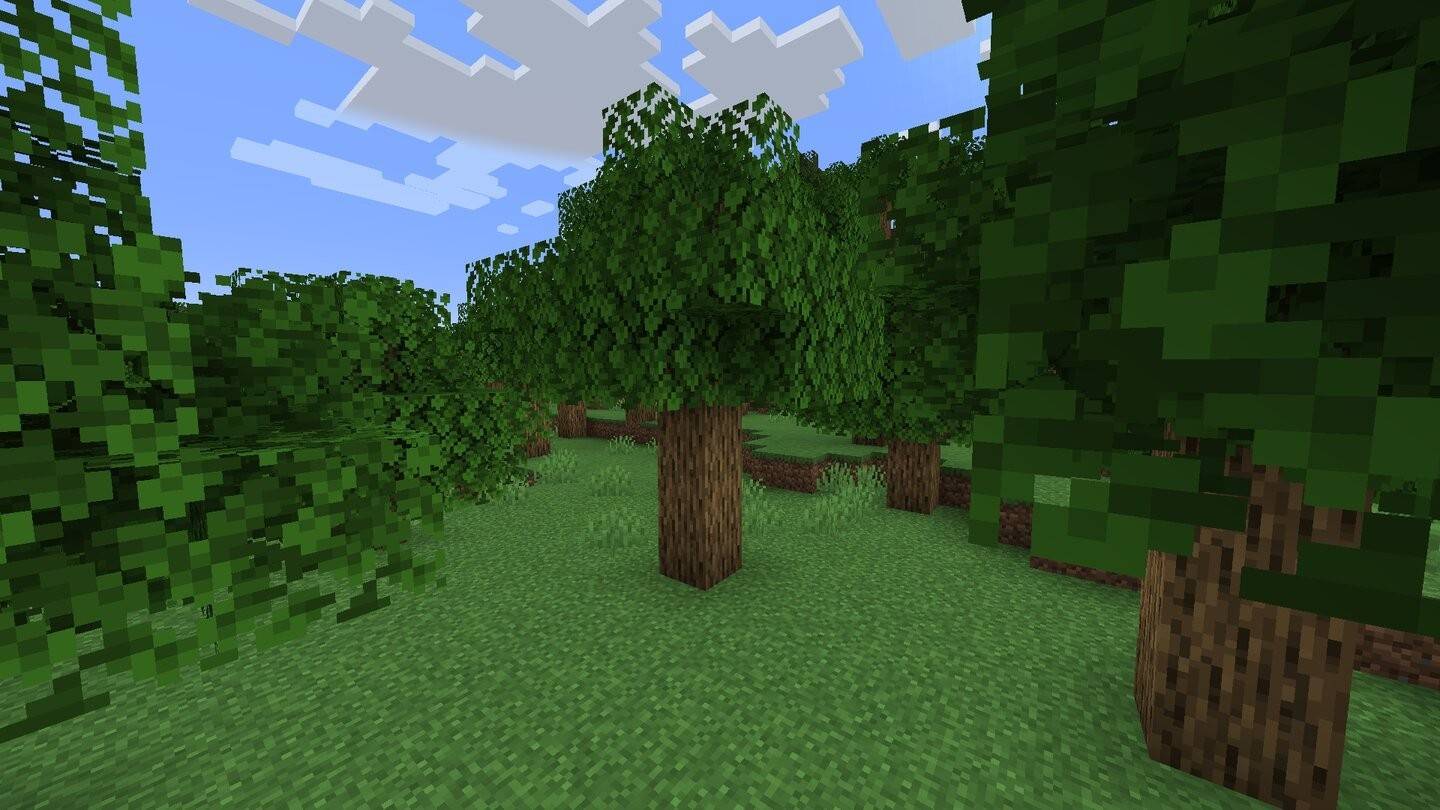 Image: ensigame.com
The ubiquitous oak, found in most biomes (excluding deserts and icy tundras), provides versatile wood for various crafting needs – planks, sticks, fences, ladders, and more. Oak trees also yield apples, a valuable early-game food source and ingredient for golden apples. Its neutral tone makes it suitable for a wide range of building styles, from rustic cabins to modern cityscapes.
2. Birch:
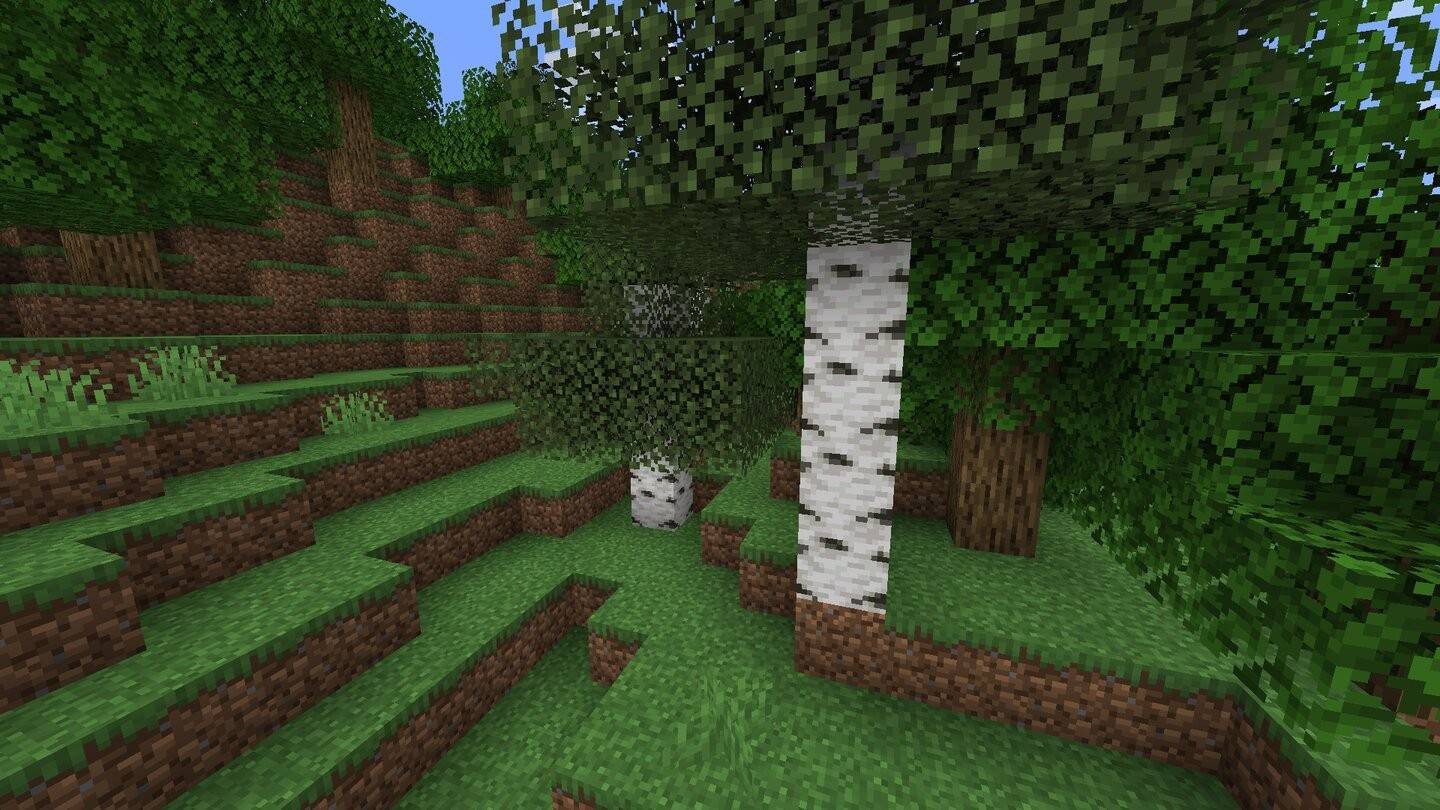 Image: ensigame.com
Found in birch forests and mixed biomes, birch wood's light color and distinctive pattern lend themselves to modern or minimalist designs. Its clean aesthetic pairs well with stone and glass, creating bright and airy interiors.
3. Spruce:
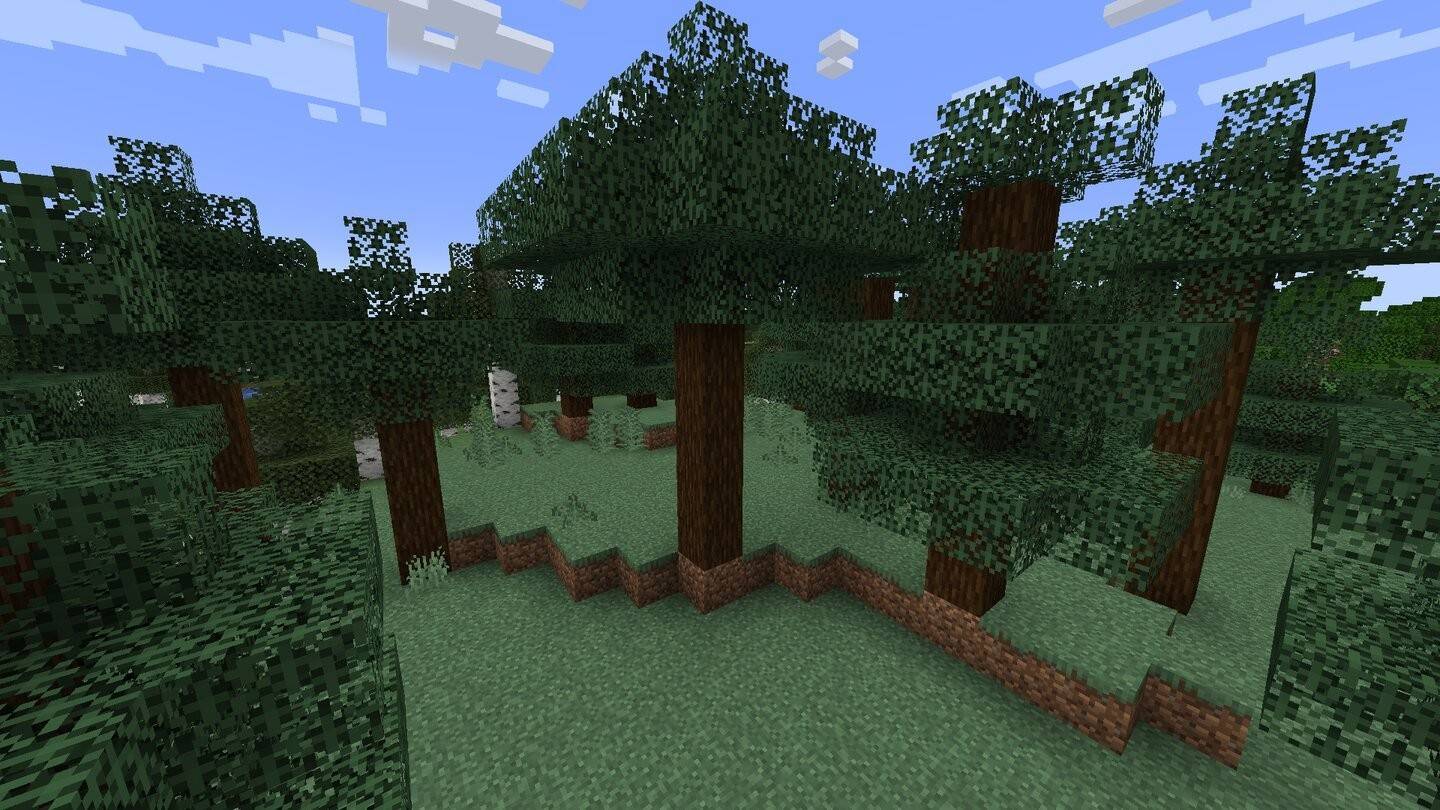 Image: ensigame.com
The dark spruce wood, harvested from taiga and snowy biomes, is perfect for gothic or grim-themed constructions. Its height presents a slight harvesting challenge but adds a robust, warm feel to medieval castles, bridges, and country homes.
4. Jungle:
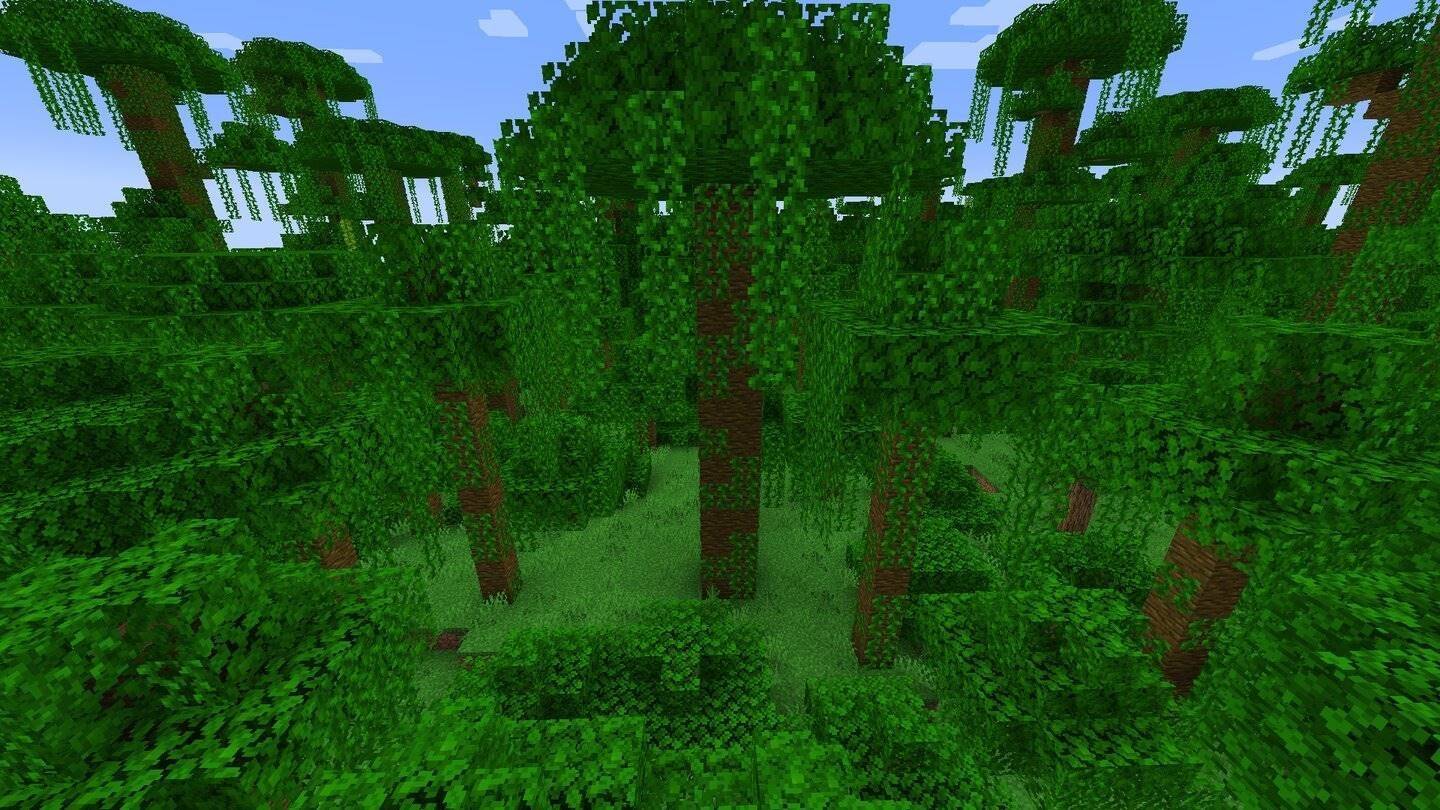 Image: ensigame.com
These towering jungle trees, exclusive to jungle biomes, offer brightly hued wood primarily used for decorative purposes. Their presence is crucial for cocoa farming. The exotic appearance makes them ideal for adventure-themed builds or pirate hideouts.
5. Acacia:
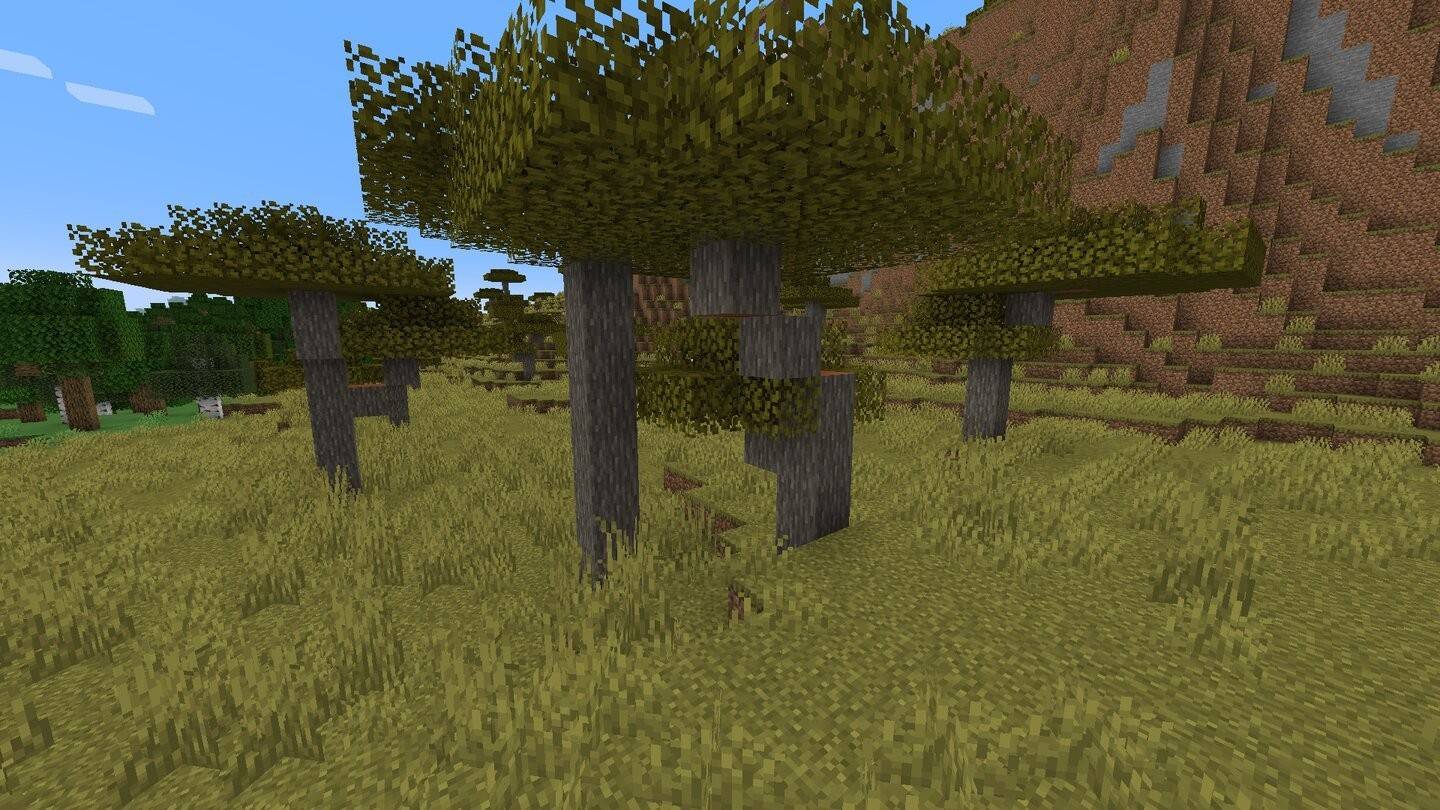 Image: ensigame.com
Acacia wood, with its reddish hue, thrives in savannas. Its unique horizontal branching pattern is perfect for ethnic-style villages, desert bridges, or structures inspired by African architecture.
6. Dark Oak:
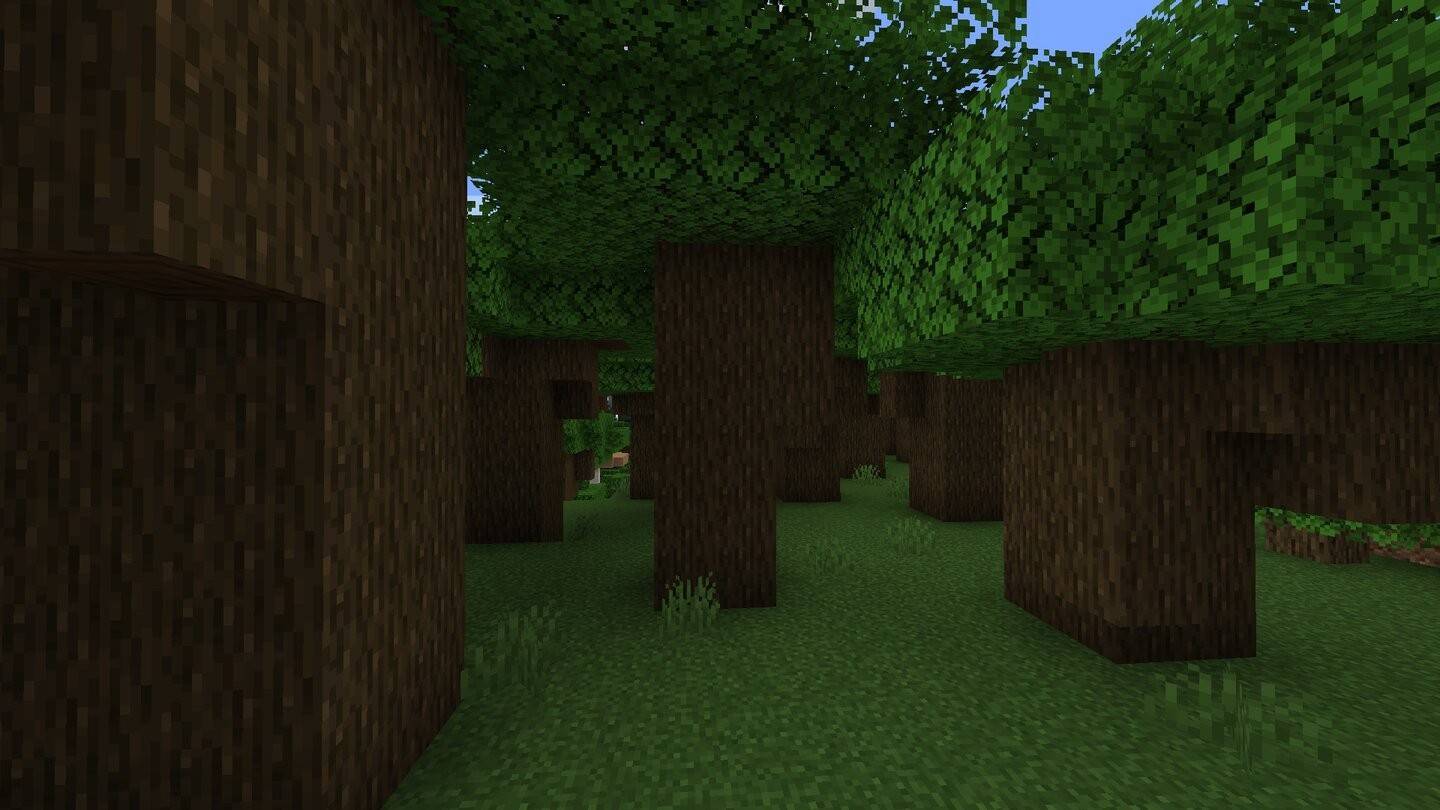 Image: ensigame.com
This rich, chocolate-brown wood, found in Roofed Forests, is a popular choice for castles and medieval-style builds. Its deep texture is ideal for luxurious interiors and imposing doors. Note that it requires four saplings for planting.
7. Pale Oak:
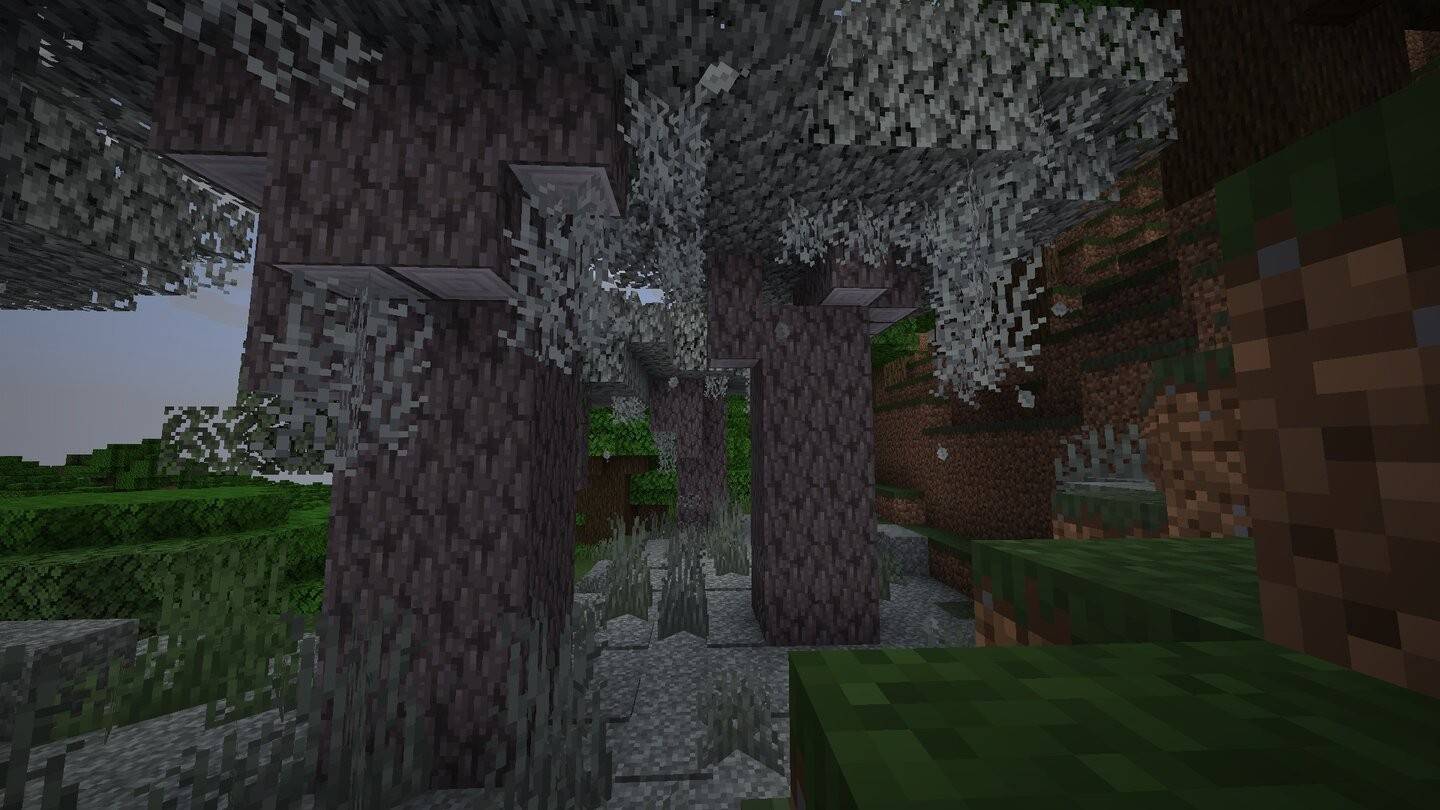 Image: ensigame.com
A rare find in Pale Garden biomes, pale oak shares the texture of dark oak but boasts a gray color palette. Its hanging moss and "skripcevina" (summoning aggressive "skripuns" at night) add unique elements. It complements dark oak beautifully.
8. Mangrove:
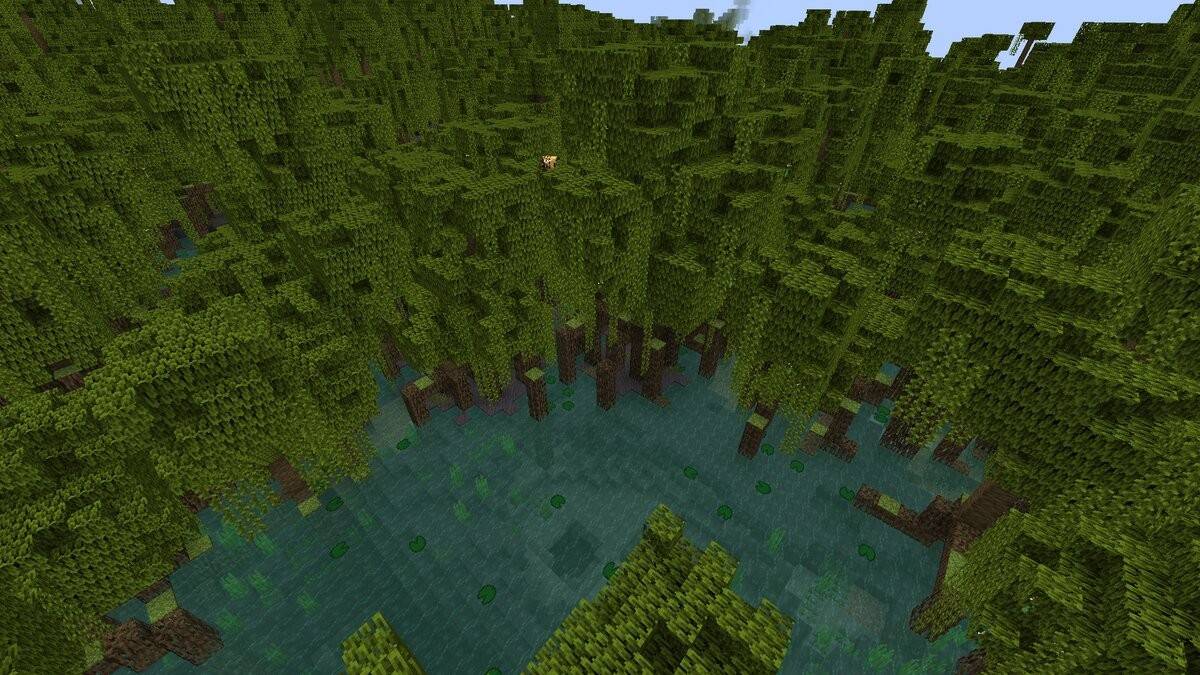 Image: youtube.com
A recent addition, mangrove wood, found in mangrove swamps, features a reddish-brown hue and distinctive roots that serve as decorative building elements. It is perfect for piers, bridges, and swamp-themed constructions.
9. Warped:
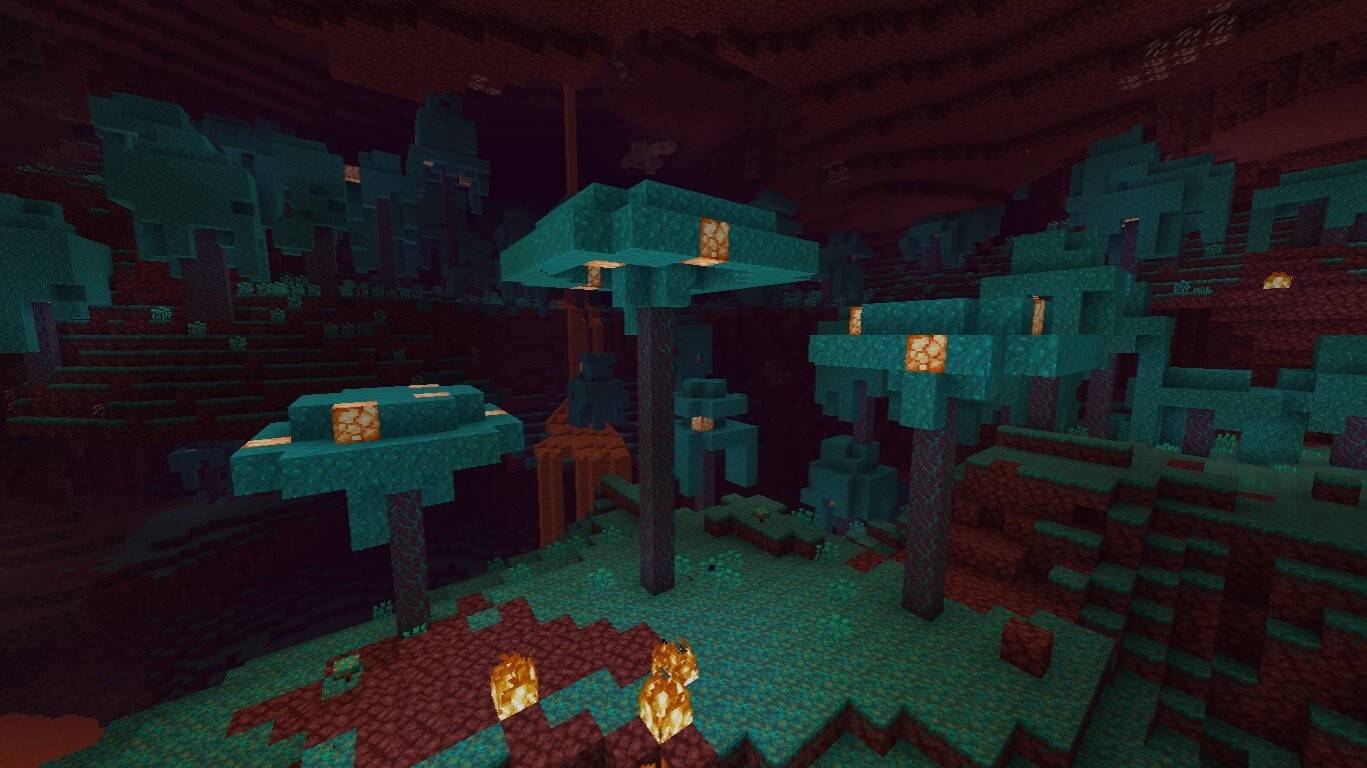 Image: feedback.minecraft.net
One of the Nether's two unique wood types, warped wood's turquoise color is perfect for fantasy-style builds. Its bright texture is ideal for magic towers, mystical portals, and decorative gardens. Importantly, Nether wood is fire-resistant.
10. Crimson:
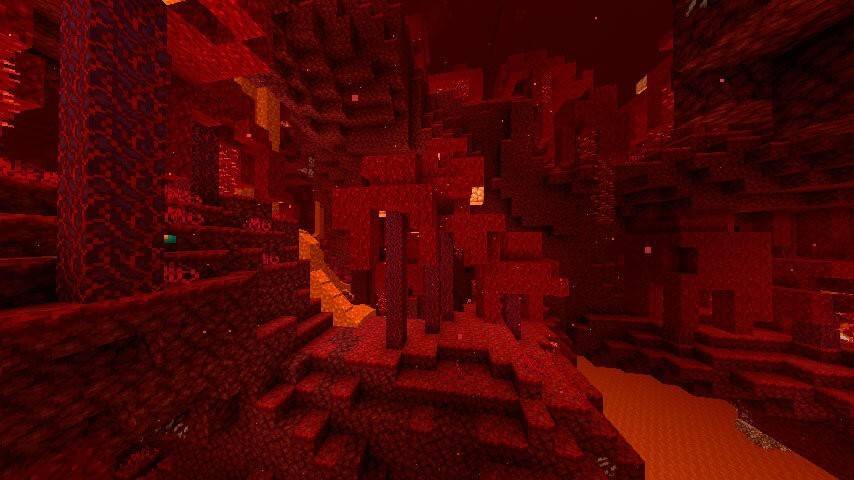 Image: pixelmon.site
The Nether's other wood type, crimson wood's red-purple hue is perfect for dark or demonic themes. Like warped wood, it's non-flammable, making it ideal for hazardous environments.
11. Cherry:
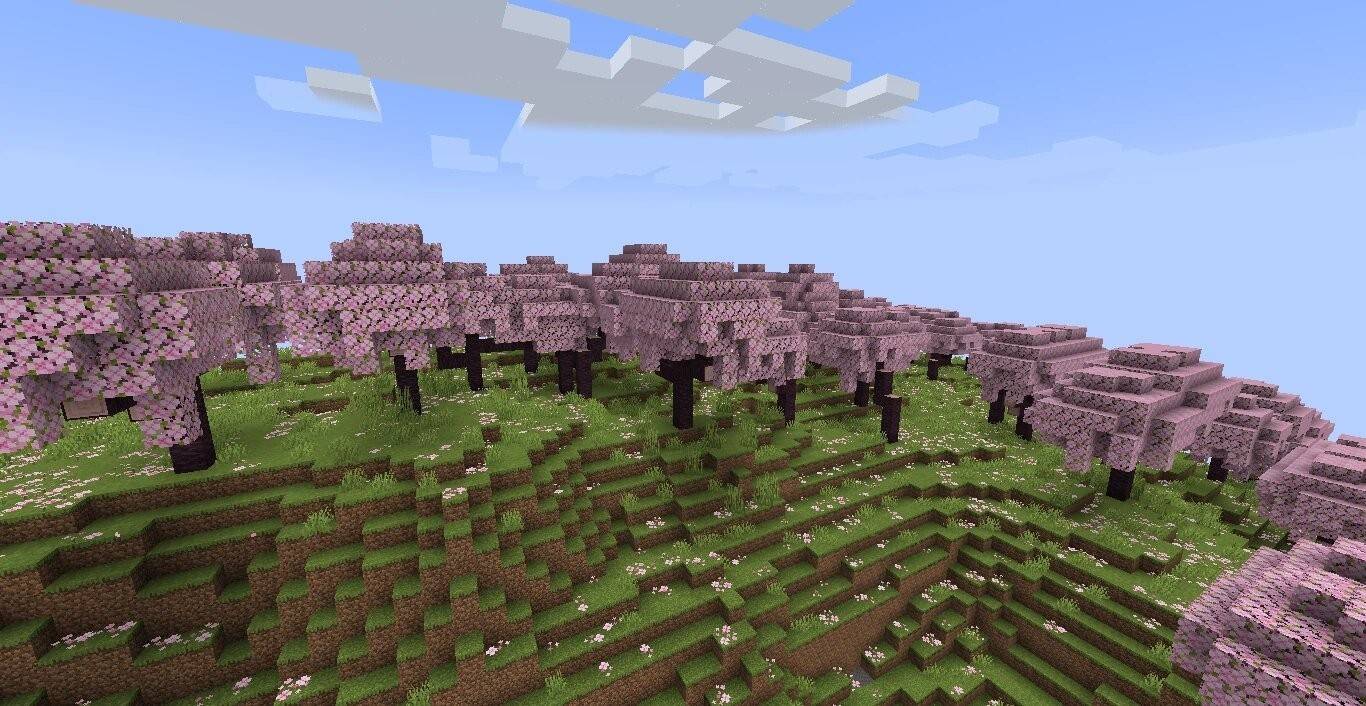 Image: minecraft.fandom.com
Found only in cherry grove biomes, cherry wood's bright pink shade and falling petal particles create a unique atmosphere. It’s frequently used for interior decoration and crafting distinctive furniture.
12. Azalea:
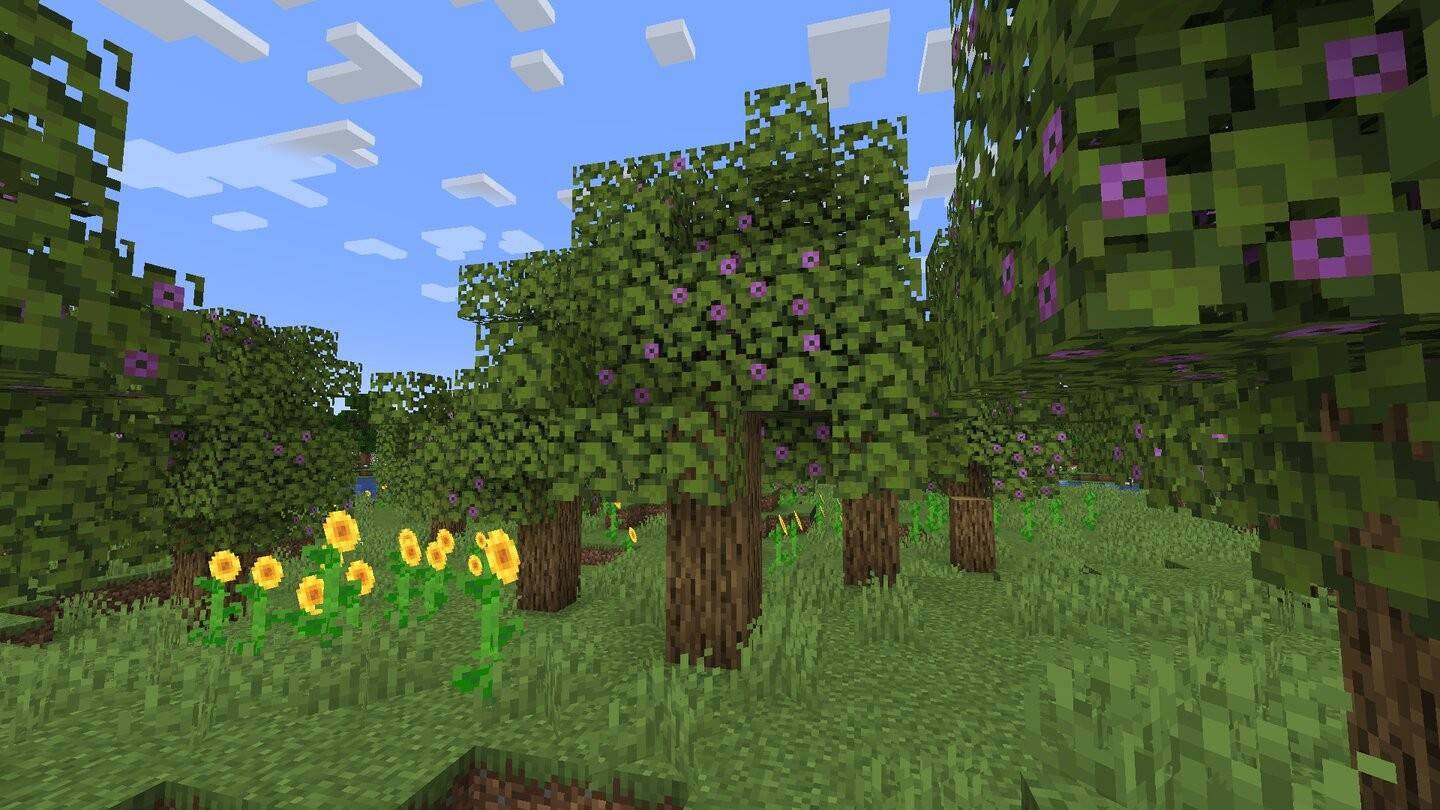 Image: ensigame.com
Similar to oak but with unique features, azalea trees grow above lush caves, aiding in mine discovery. Its root system and unusual flowers add design interest. The wood itself is standard oak.
In conclusion, Minecraft's diverse wood types offer endless creative possibilities. While all woods serve the same basic crafting functions, their unique textures and colors unlock a world of architectural and decorative potential. So, grab your axe and embark on your building adventure!





![Taffy Tales [v1.07.3a]](https://imgs.xfsxw.com/uploads/32/1719554710667e529623764.jpg)